
What Are The Best Ways To Ameliorate Arthritis?
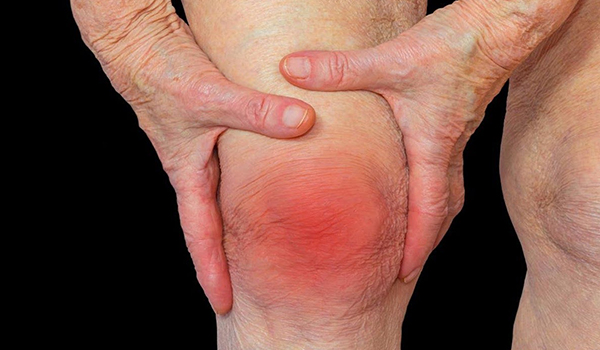
Arthritis is a very painful and degenerative condition wherein the patient experiences stiffness, swelling, redness and pain in joints due to inflammation. The patient experiences physical limitations due to chronic pain and fatigue, leading to stress and interruption in normal life. Arthritis starts to take control of one’s life and is one of the most unpredictable diseases.
Arthritis is mainly categorized as Osteoarthritis and Rheumatoid arthritis. Osteoarthritis is more common type of arthritis which gets worse with age. It is caused due to wear and tear over the years. It causes the cartilage to break down. Bone grinding directly and bone causes severe pain. Rheumatoid arthritis is an autoimmune disease caused by an impaired immune system in which the immune system attacks the joints/ lining of the joints considering them as foreign tissues.
Women are more likely to develop rheumatoid arthritis while men are more likely to develop gout.
Arthritis may be treated in several ways depending on the symptoms and type of arthritis affecting a person. The main goal of treatment is to reduce the symptoms and improve the quality of life. Some of the most common ways to deal with the ongoing problem are listed below. A diet combined with some exercise helps in lowering the stress on the knees and yield great results.
Healthy and Balanced diet:
It is very important to check one’s diet while fighting with a disease. The diet for arthritis should include foods that fight inflammation, strengthen bones and muscles and boost the immune system. A diet rich in Omega 3 fatty acids is recommended for arthritis patients. Omega 3 fatty acids show anti-inflammatory benefits and help in reducing inflammation which can cut down the arthritis flare-ups. Flax seeds and olive oil are good sources of Omega 3 fatty acids.
Increasing the intake of Vitamin D (paired with calcium) helps in overcoming osteoporosis and joint pains. The best source of Vitamin D is the sun, followed by eggs and fortified dairy products. Vitamin D supplements may also be taken if needed.
Inflammation can be taken care of by consuming fresh fruits like blueberries and strawberries and fresh vegetables likes broccoli, cauliflower, and brussels sprouts. Adding Turmeric to the dishes naturally helps in bringing the inflammation down.
Vitamin C rich foods should also be included in the diet to help protect one against rheumatoid arthritis.
Medication
Anti-inflammatory medicines and pain killers are prescribed by the doctors to deal with the flare-ups, inflammation, swellings, and severe pain but these medicines help in providing short term relief to the patient. The doctor may prescribe counterirritants like some creams and ointments with menthol or capsaicin to rub onto the skin directly and block the transmission of pain signal from the joints. Corticosteroids may be injected into the painful joint to get relief.
Herbal Supplements like Boswellia, Bromelain, Ginkgo, Stinging nettle, Thunder God Vine, Devil’s claw helps in reducing arthritis pain.
Physiotherapy
Physiotherapy is a good option to improve the existing condition. It helps in gaining flexibility and strengthening the muscles surrounding the joints. A physiotherapist designs a personalized treatment plan for the patient by observing all the activities that is causing flare-ups. Physiotherapy includes hydrotherapy, massage and other pain relief techniques to manage arthritis symptoms. In some cases, the person might have to use splints or braces. Acupuncture is also a good option to reduce pain. Fine needles are inserted at specific points on the skin to give instant relief from arthritis pain.
Exercise and Weight Management
Weight loss helps a lot in reducing symptoms by reducing the stress on the joints. Carrying extra weight puts a lot of stress on the joints especially the knees, hips and spine. It is said that losing just 10 pounds can cause 30 to 50 pounds of extra stress to be relieved from the joints. Exercise is recommended to relieve stiffness, reduce pain and swelling and improve the muscle and bone strength. Exercise should be done under a doctor’s supervision. Light yoga, low impact aerobic activity, strength training to tone muscles are often recommended. Yoga postures like tree pose, warrior pose, bridge posture, and corpse pose are good postures to get some pain relief. Swimming and water aerobics are also good choices as the buoyancy of water reduces stress on weight bearing joints.
Lifestyle Changes and Staying Positive
A positive attitude is a must in order to cope up with Arthritis. It is highly recommended to indulge in stress reducing practices like meditation and tai chi. It gives inner confidence and peace. At home, the patient should keep doing hot and cold compress to relieve arthritis pain. Long warm showers and bath help to ease the stiffness in joints. Light stroking and kneading of muscles increases the blood flow and warm the affected joints. It is highly recommended to use canes and walkers to protect the further injury to the joints.
Surgery
Surgery is advised in severe cases when nothing helps. In some cases, the joint surfaces are smoothened or realigned by surgery to reduce pain. In some cases, the damaged joint is replaced with an artificial one and at times trapped nerves are released to relieve pain and in some cases the ends of two bones are removed and locked together to heal as one rigid unit. Surgery is done to repair damaged tendons.
It is advised for arthritis patients to cut down on Omega 6 fatty acids as that boost inflammation. One needs to reduce the intake of vegetable oils like corn oil and sunflower oil. Weight bearing exercises like running and walking should be avoided as they are damaging to the joints already in pain.
Some types of arthritis are known to run in families. In some cases, the joints may become twisted and deformed. It is very important to take control of the situation in time. There is a strong connection between stress and inflammation. Stress releases chemicals that affect the immune system which leads to inflammation. Thus, Arthritis flares up when one is stressed. It is very important to stay calm, breathe slowly and get out in nature as often as one can.
