
What are the Health Benefits of Pranayama?

The classical Ayurvedic literature describes the eight limbs of Yoga, and one of these limbs is Pranayama. Pranayama is commonly known as control of breath as per literal meaning of it.
Pranayama is composed of two words: Prana and Yama. The word “Prana” means “life” or “breath” and “Aayama” means “stretch” or “expansion”.
Pranayama is a technique of controlled breathing for a short period of time. It has many health benefits.
Pranayama has yoga prerequisites such as Yama, Niyama, and Asana.
Inhaling and exhaling through single nostrils alternatively may be quite confusing for the beginners so these practices should be done in the guidance of Yoga master only.
How Pranayama and Ayurveda are Related?
In Ayurveda, three types of doshas are described: Vata, Pitta, and Kapha. Each of these three doshas in Ayurveda has five sub-doshas.
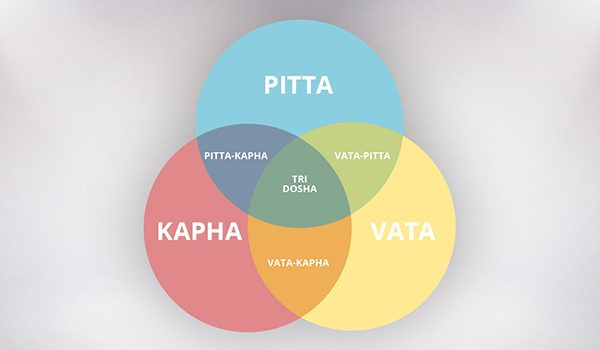
- Vata is the energy of the movement and one of the sub-types of Vata dosha is Prana Vayu.
- The Prana Vayu governs the process of respiration and forwards the momentum and it is responsible for the intake of everything into the body.
- Pranayama helps in balancing Prana Vata which result in balancing of total Vata in the body.
What are the Health Benefits of Pranayama?
1. Improves Lung Capacity
Pranayama increases the lung capacity which results in the abundant supply of oxygen in the body and reduces the breath needed by the body per minute.
- It cures phlegm, mucus and tonsilitis problems.
2. Increased Absorption of Oxygen
When we breathe normally, we do not use our lungs to their potential but with regular practice of Pranayama, our lungs are used wholly which lead to more pure oxygen entering into the bloodstream.
- It is a fact that constant practitioners of Pranayama utilize nearly 80% of their lungs for breathing.
3. Reduces Risk of Hypertension
Hypertension is a silent killer that can be tamed by practicing Pranayama regularly.
- It helps in allowing the body and mind to relax. The calm mind helps in bringing down high blood pressure.
- In addition, Pranayama also helps in controlling other psychosomatic conditions such as diabetes, insomnia etc.
4. Improves Memory and Concentration
Regular practice of Pranayama helps in improving the concentration and also helps in strengthening the will power.
- It helps in improving memory and concentration by increasing oxygen supply to the brain.
- The deep breaths ensure that every cell in the brain has enough oxygen.
5. Control Over Unnecessary Thoughts
Fearful and negative thoughts ruin the peace in our lives.
- Regular practice of Pranayama not only helps the physical body but it also helps in controlling unnecessary thoughts that are prevailing in the mind.
- Negative thoughts can make an individual stressed and nervous.
- But, practicing regular pranayama helps us in mastering our thoughts.
6. Control of Emotions
Emotions are directly related to our respiration as more the emotional instability, the rapid will be the breathing.
- Regular practice of Pranayama helps in reining wild emotions to a great extent.
- It creates a more connected sense of self and reduces the anxiety and fatigue which results in overall improvement of emotional health.
7. Removes Stress
During stress, there is an over-stimulating nervous system and the over-stimulation of the sympathetic nervous system can lead to incredibly harmful effects on our health.
- The regular practice of pranayama increases parasympathetic tone and decreases the sympathetic activity.
8. General Well-Being
Pranayama is known to provide strength to the 5 pranas, purify about 72,000 nerves in the body and balances the energy flow in all parts of the body.
- Therefore, Pranayama reduces the signs of oxidative stress.
- It also helps in developing a steady mind, sound judgment and a keen sense of perception.
- It shows beneficial effects on the circulatory system, respiratory system, digestive system, endocrine system etc.
- It affects the autonomic nervous system as well which controls glandular secretions, heart rate, blood pressure, respiration, and digestion.
9. Digestion
During pranayama, we exhale and inhale causing the diaphragm to move up and down.
- The organs that are located in the abdomen gently move along with our diaphragm causing them to naturally slide against each other.
- Therefore, Pranayama is helpful in maintaining healthy digestion.
10. Improved Lymphatic System
The lymphatic system is a vital part of our immune system.
- The lymphatic system does not have a pump through which it can maintain the flow of the lymph fluid and therefore, it relies on body movement.
- Deep breathing practices such as Pranayama affect the movement of the organs and effectively act as a pump for the lymphatic system.
11. Glowing Complexion
While practicing Pranayama, the breathing becomes more effective.
- It gives the body an extra pump of oxygen which leaves the skin with a naturally bright and healthy glow.
What Should be Kept in Mind Before Doing Pranayama?
Before practicing Pranayama, the following precautions should be taken:
- For ensuring Pranayama practice, ensure a proper place, suitable time and certain dietary recommendations.
- Practicing pranayama for 15 minutes is advisable.
- It is also suggested that pranayama should be performed under the guidance of a qualified yoga instructor.
What is the Best Time for Doing Pranayama?
- It should be practiced on an empty stomach in the morning before sunrise.
- The fresh and clean air is preferred for practicing Pranayama as in the fresh air, prana itself is naturally abundant.
- Don’t forget to unplug yourself from the distractions such as mobile phones etc.
Precautions
- If one is suffering from any chronic medical condition, seek advice from the doctor or yoga teacher before doing pranayama.
- There should not be any strain during the practice of pranayama.
- Beginners should not hold the breath. When you become comfortable with the basics of pranayama, learn to hold the breath under the guidance of an expert.
- During any illness, pranayama should not be practiced.
- Practice Pranayama only outdoors or in a well-ventilated room.
- It should not be practiced when the lungs are congested.
