
Home Remedies and Diet Tips To Follow During Summers
Summer is the ideal season for the contamination and infection due to virus and bacterial growth which causes typhoid, diarrhea, and jaundice. Severe sweating in summer season may cause electrolyte imbalance because sodium is flushed out from the body. Water is as important as oxygen for a healthy life. Water is responsible for the transportation of oxygen, nutrients to the body for the regulation of body temperature. It also eliminates the toxins and wastes from the body as well as maintains a moist environment for the body tissues.
Dehydration happens when the body loses more water content. An adult human body is composed of 60 percent of water. When there is a water deficiency then the body becomes susceptible to excessive loss of water in summers due to the increased sweating.
Having more water-rich fruits have several health benefits as these fruits are low in calories and can help in maintaining weight loss.
Here are Some Remedies and Diet Tips That You Should Follow During Summers
1. Drink Plenty of Water
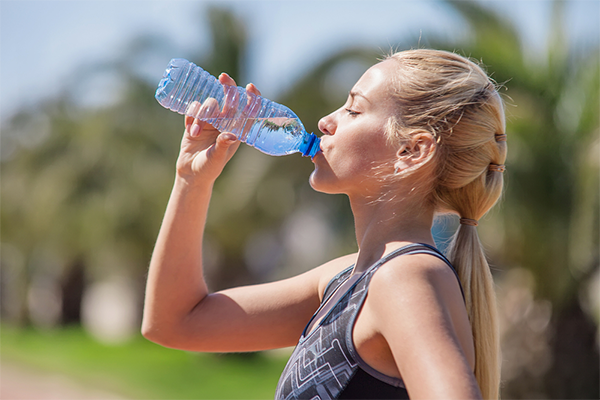
In these days, youngsters consume more aerated drinks which are not healthy option and many researchers said that drinking water is the smart choice. Water keeps the body hydrated and also avoids putting on unnecessary calories. Drinking fresh lime juice and coconut water is a great thirst-quencher during summers.
2. Salads
Eating a lot of fresh salad in the summers is also a good remedy because it is easy to prepare and also healthy for your body. You have to be sure that in salads your nutritional requirements are taken care of.
3. Pineapple
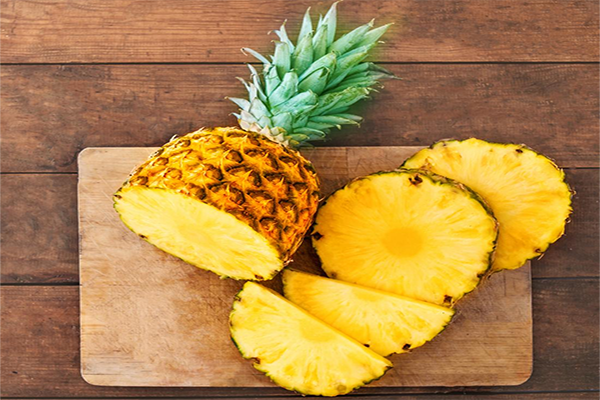
Pineapple is another fruit endowed with 87% water content in its composition. This fruit is called the powerhouse of the nutrients because it has several nutrients such as vitamin A and C, calcium, potassium, manganese, phosphorous and fiber. It boosts the immune system, improves the digestion process, keeps the bones even more strong.
4. Avoid Skipping of Meals
Skipping of meals is unhealthy and this might have adverse effects. It also slows down the body’s metabolism which means the body is burning fewer calories.
5. Fruits and Vegetables

In summers, there is an availability of a variety of fresh fruits and vegetables that make the most of them. Include two servings of fruits and vegetables to your diet daily. Milkshakes and fruit smoothies can be easily prepared.
6. Yogurt
Include yogurt in your daily diet. Buttermilk is also the better option as it is a great coolant. You may add a dash of mint to enhance its taste. It helps to prevent the body from dehydration. So make a routine of having a glass of buttermilk just before stepping out into the sun.
7. Watermelon
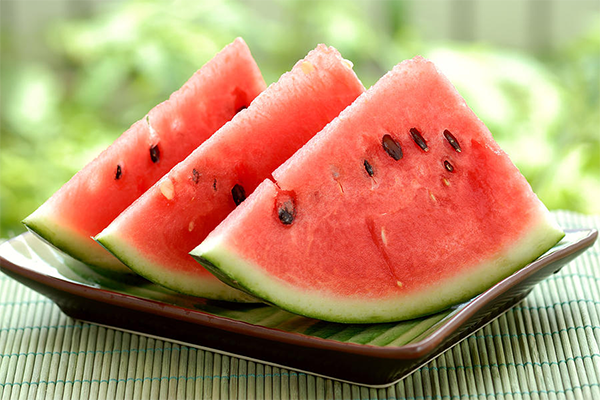
Watermelon has the highest water content and contains essential rehydration salts such as potassium, magnesium, calcium, and sodium that keeps the body hydrated and also reduces the chances of dehydration. Watermelon is also a rich source of vitamin A and C which keeps the body healthy and fit. Lycopene protects the body from the damaging effects of UV rays.
8. Oranges
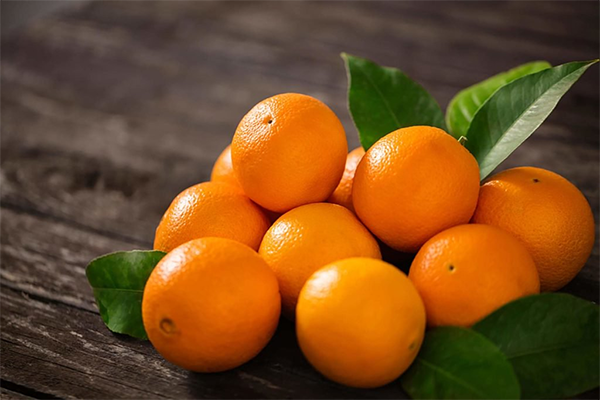
Oranges contain 87 percent of water content and are low in calories but are full in nutrients such as vitamin A, B, and C and also contains magnesium, calcium, potassium, copper, manganese and phosphorous. Flavonoids present in it have antioxidant and anti-inflammatory properties. This delicious citrus fruit can prevent dehydration and promotes the overall health of an individual. Regular intake of this fruit can improve the skin, boost the immune system, promote heart health, reduce cholesterol and fight against certain types of cancers.
9. Apricots
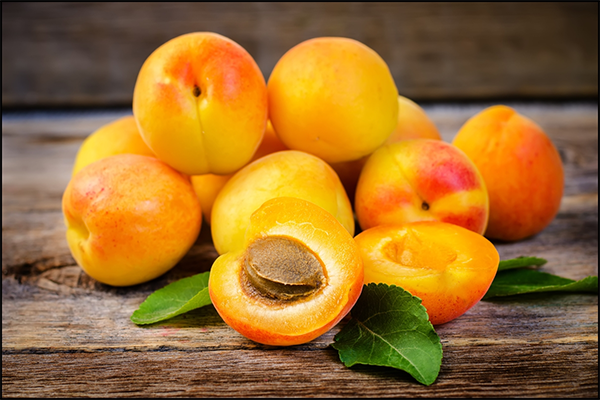
Apricots contain electrolytes such as sodium and potassium that can help to maintain a stable fluid level in the body and prevents from dehydration. This fruit contains 86% water content and is also a great source of vitamin A and C. This low-calorie fruit also contains a good amount of both soluble and insoluble fibers and can support the muscle function, reduces bad cholesterol, regulate heartbeat and prevents heart disease.
10. Apples
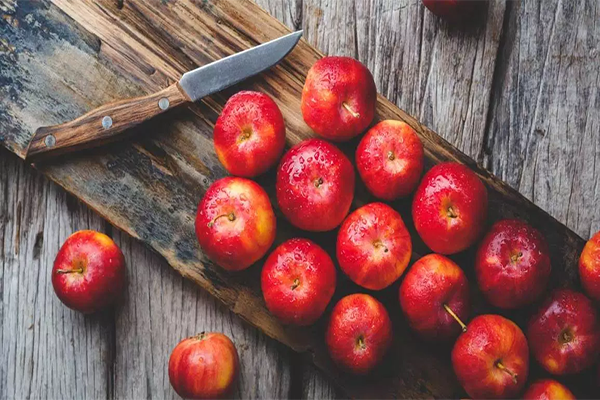
Apples contain 86% water content and besides this, it is a nutritional powerhouse that contains essential nutrients such as vitamin B and C, potassium, calcium, dietary fiber, and various phytonutrients. This fruit has the ability to boost the immune system and improves the digestion process. It also reduces the risk of diabetes, hypertension, cancer, and heart-related diseases.
11. Fresh Foods
Make sure that the food you are consuming is fresh because if the food is not fresh then you may fall sick. In summers, the food gets spoiled quickly. So pay extra attention to the freshness of food.
Some Useful Diet Tips
- Eat small meals at frequent intervals of time and avoid starving.
- Avoid the consumption of carbonated or caffeine-containing products because all these drinks contain sugars, colors, and preservatives. These all are acidic and diuretic in nature that can cause loss of fluids through urine. Ultimately the body gets dehydrated.
- Avoid drinking chilled liquids. These chilled liquids make you feel cool for some time but cause constriction in the blood vessels of the skin and decrease the heat loss.
- Add tulsi seeds in your drinks because Tulsi has the cooling effect on the body that will keep your body rehydrated.
- Include plenty of fruits and vegetables to your diet in the form of salad and juices but without sugar.
- Avoid sugary foods such as molasses and honey and also avoid the intake of fried and fatty foods like samosas, chips, bhajias, and vadas.
- Never skip your breakfast because researchers have shown that people who eat breakfast daily perform better, tired less and have more energy than other people who take only tea or coffee.
- Do exercise regularly because it is an important method to remain fit. A brisk walk of 40 to 45 minutes or stretching exercises for the lower parts of the body will help you to remain healthy. Keep yourself as active as possible as you can.
